
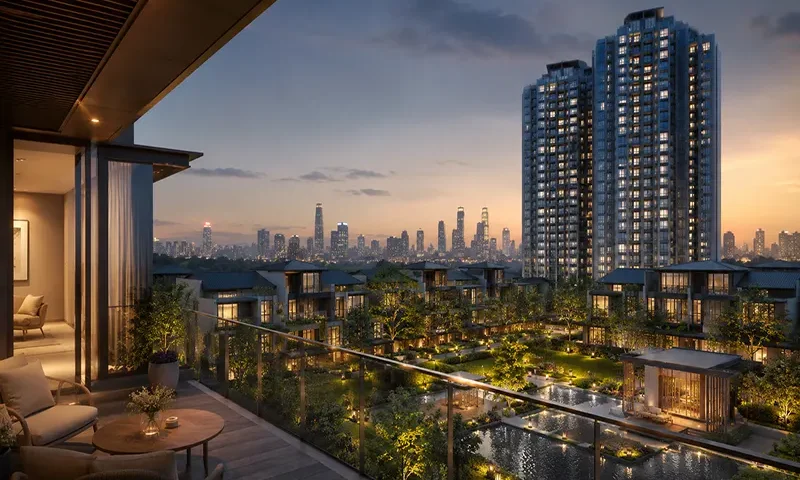
Why Solano Grand Appeals to Modern Homebuyers
The definition of an ideal home has changed significantly in recent years. While previous generations often focused primarily on ownership, today’s buyers place equal importance on lifestyle, convenience, flexibility, and long-term comfort. This shift has influenced how residential developments are planned and how buyers evaluate them.
Among the projects that reflect these evolving expectations is Solano Grand. Rather than being viewed solely as a place to live, it represents the growing demand for homes that integrate practical design with everyday convenience.
Understanding why buyers are drawn to this type of development can help anyone make more informed property decisions.
The Importance of Functional Living
Modern homeowners expect every square metre of their home to serve a purpose.
An efficient residence typically offers:
- Well-planned living areas
- Comfortable bedroom layouts
- Practical kitchen spaces
- Smart storage solutions
- Flexible rooms for changing needs
A functional design often creates a better living experience than simply having a larger property.
Convenience Shapes Everyday Satisfaction
Convenience influences nearly every aspect of daily life.
Homebuyers increasingly look for neighborhoods that provide access to:
- Public transportation
- Retail outlets
- Dining options
- Medical facilities
- Schools and educational services
When essential destinations are easily accessible, residents enjoy greater flexibility and reduced travel time.
Outdoor Spaces Have Become More Valuable
Green spaces are no longer considered optional additions.
Many buyers actively seek developments that include:
- Landscaped gardens
- Walking paths
- Open recreational areas
- Relaxation zones
- Community gathering spaces
These environments support healthier lifestyles while creating a more enjoyable residential atmosphere.
Flexible Homes Support
… READ MORE >>>

Lucerne Grand, Island Residences Housing Interest Across Singapore Residential Areas
Singapore property surveys feel less honest as consumers nowadays immediately go through listings when they are online during their daily property search. Anyone checking Lucerne Grand in the afternoon might unsurprisingly notice every other rental project after reading new market reactions later in the evening. Island residences appear in many comparisons because buyers are looking for an exclusive residence atmosphere and sensible lifestyle expectations. Too much information on the Internet currently creates approximately mixed responses on cost, convenience, and long-term housing happiness for families. The housing market still feels alive with new listings coming in almost every week.
Transportation access still influences major property decisions heavily
A large number of Singapore residents continue organizing residential choices around commuting convenience and daily travel requirements across busy schedules today. Lucerne Grand attracts professionals who want easier connections to commercial districts and major public transportation systems in urban areas. Some households prefer shorter commuting routes even when apartment layouts become slightly smaller than expected originally. Island Residences also appeals to buyers who prefer quieter surroundings and less environmental activity on regular evenings and weekends. These practical differences continue to shape condominium demand patterns throughout Singapore districts steadily.
Physical property visits reveal details that digital listings miss
Online property galleries can’t quite explain how the neighborhood actually conveys everything clearly and realistically through common routines that round up residential developments across Singapore. Buyers traveling to Lucerne Grand carefully examine the traffic movements near convenience stores, pedestrian streets and environmental noise before forming serious opinions. … READ MORE >>>
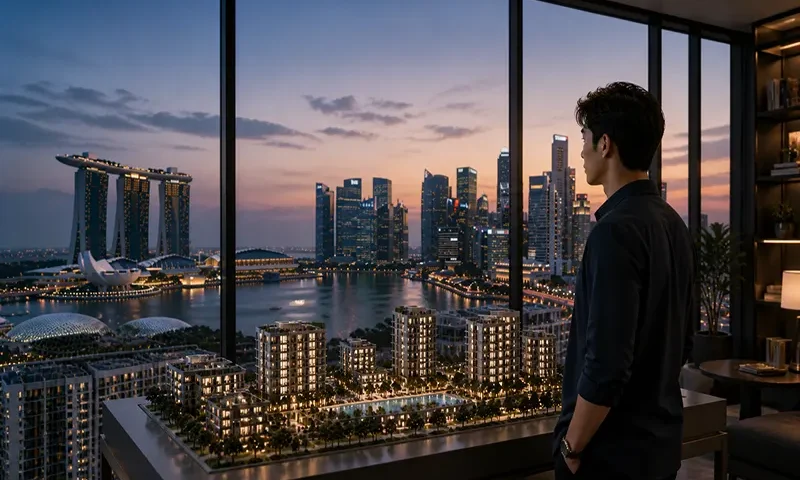
Singapore Property Buyer Demographics Shift: How New Generations Are Changing the Market in 2026
Singapore’s property market is no longer driven by a single type of buyer. Instead, it is being reshaped by changing demographics, especially the rise of younger professionals, dual-income households, and more financially sophisticated investors. In 2026, these shifts are influencing what people buy, where they buy, and how they evaluate value.
Understanding buyer demographics is essential because demand is ultimately driven by people, not policies or prices alone.
Rise of Younger Property Buyers
One of the most noticeable changes in the market is the increasing participation of younger buyers. Many are entering the property market earlier due to rising incomes, financial literacy, and long-term wealth planning mindset.
Unlike previous generations, younger buyers tend to focus more on lifestyle integration, digital convenience, and long-term flexibility rather than just ownership status.
They also rely heavily on data, online research, and comparative analysis before making decisions.
Dual-Income Household Influence
Dual-income households have become a dominant force in Singapore’s property market. With higher combined purchasing power, these buyers often target better-located and higher-quality developments.
This shift has increased demand for mid-to-upper range private condominiums, especially those offering strong connectivity and modern amenities.
Developments such as Lucerne Grand align well with this buyer segment due to their balance of lifestyle features and investment potential.
Investment-Savvy Retail Buyers
Another growing segment is the rise of retail investors who are more financially informed than before. Many are familiar with yield calculations, interest rate impacts, and long-term capital appreciation strategies.
These buyers are less emotional and more analytical … READ MORE >>>
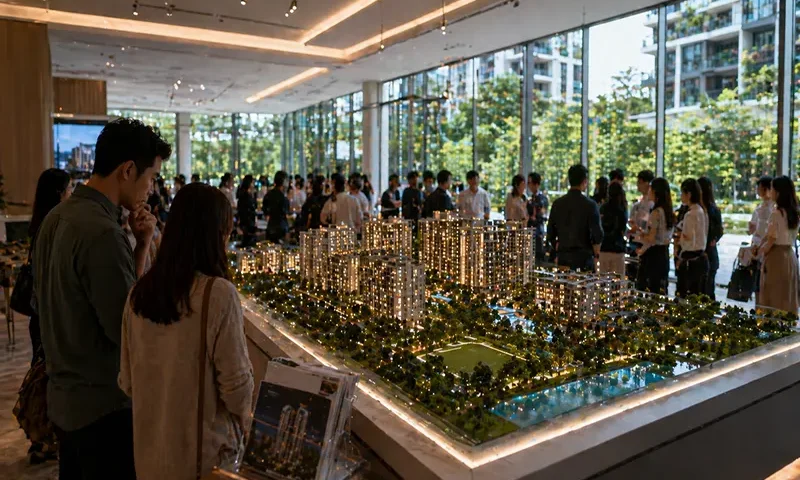
Singapore Property “Second Wave Demand”: Why the Real Buyers Don’t Enter at Launch in 2026
In Singapore’s property market, the spotlight is usually on launch day activity—queues, booking rates, and first-week sales performance. But experienced agents and investors know something different: the most meaningful demand often appears after the initial hype fades.
This is known as second wave demand, and in 2026, it is becoming one of the most important patterns shaping real estate performance.
1. What Second Wave Demand Actually Means
Second wave demand refers to buyers who enter the market after:
- Initial launch momentum slows
- Early buyers have secured preferred units
- Pricing clarity becomes more established
- Market sentiment stabilizes
These buyers are typically more analytical, less emotional, and more focused on long-term value rather than launch excitement.
They often determine whether a project has lasting strength or just short-term hype.
2. Why First Wave Buyers Are Not Always the “Smart Money”
First wave buyers tend to be influenced by:
- Marketing intensity
- Fear of missing out (FOMO)
- Limited-time promotions
- Showflat experience
While early entry can secure good unit selection, it is not always driven by deep analysis of:
- Comparable resale value
- Long-term rental demand
- Micro-location strengths
- Supply competition nearby
This is why early demand alone does not fully represent a project’s true market performance.
3. Second Wave Buyers Are More Data-Driven
Second wave buyers typically enter after studying:
- Price per square foot comparisons
- Nearby competing developments
- Rental yield benchmarks
- Stack and layout efficiency differences
By the time they act, they have a clearer understanding of whether pricing is justified.
This makes second wave … READ MORE >>>

Thomson Reserve Showflat Visit Notes and Thomson Reserve Condo Living Factors
The aesthetic composition is clean yet unnaturally unrealistic. A visit to the Thomson Reserve Showflat leaves an impression of cleanliness and control. All things seem to be in place, including furniture distances, the lighting angles and colours. That will assist customers in visualizing a full house more readily.
Still, actual living spaces rarely look that polished every day. It is better to focus on structure, wall placement, and actual room proportions instead of décor.
Layout practicality shows up when you slow down a bit
Looking at Thomson Reserve Condo, layouts usually seem simple and easy to understand at first glance. Rooms are shaped in a practical way without complex designs. However, real usability depends on more than first impressions.
You should imagine daily routines inside the unit. Walking paths, storage areas, and furniture placement can change how comfortable the space feels over time.
Light and airflow can behave differently in reality
Inside the Thomson Reserve Showflat, lighting is adjusted to make rooms look bright and welcoming. This is not likely to be the same under natural light in the real units.
Brightness depends on window orientation, buildings that are near the window, and time of day. It is also important to consider ventilation, particularly in the climate of Singapore, where the flow of air affects comfort in everyday life.
The neighbourhood gives a quieter residential feel overall
Spending quality time in the area around Thomson Reserve Condo depicts a serene atmosphere compared to the bustling places in Singapore. … READ MORE >>>